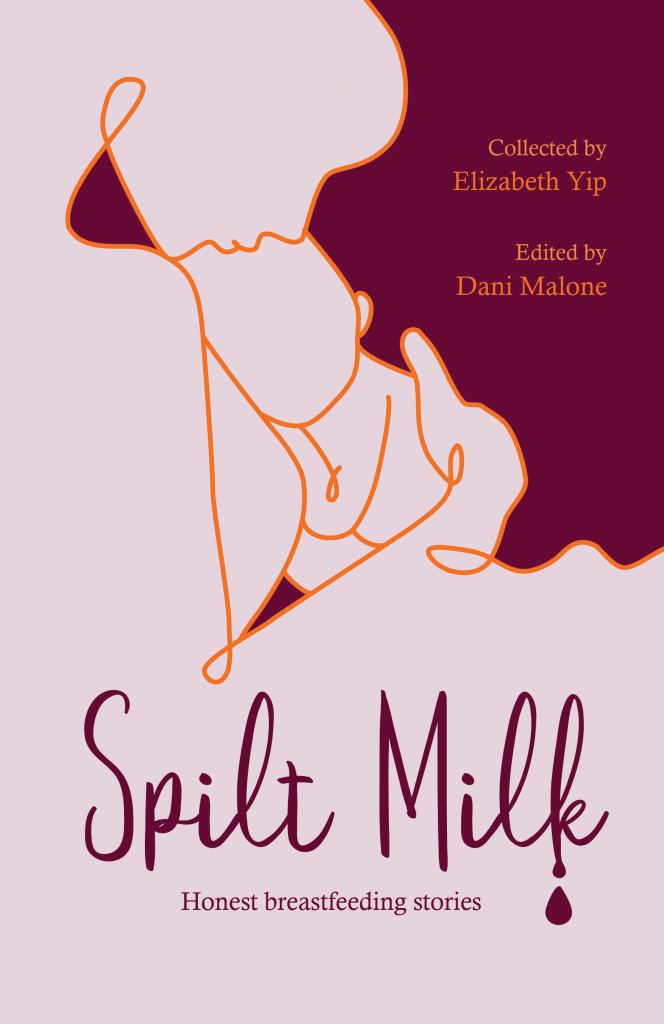
This book was started well before the Covid 19 pandemic. Since the pandemic began, the same issues continue alongside new and difficult challenges. A lack of visitors and opportunities for outings have left some new mothers feeling isolated and missing much of the support they had expected. Others have found their feeding experience much easier, without having to go out as much – and with limited visitors, they potentially had less negative input and more rest. We’re just learning about variations in the overall healthcare response towards women birthing and breastfeeding, during the pandemic.
We celebrate the power of birth, but it’s easy to forget the power of women after they have delivered. They listen for and tend to their baby, regardless of fatigue, pain or emotional trauma, while providing for many other needs of the family. Women feel a range of powerful emotions after having a baby: happy, sad, depressed, joyful, anxious, determined, swinging from knowing they are right all the time, to questioning everything they do.
In the not-so-distant past, the image of a ‘good mother’ was one who breastfed. We know now that this is far from reality. We celebrate and acknowledge mothers from all walks of life, in all the wonderful and varied ways in which they raise their children. We acknowledge the women who have lost babies or have struggled to conceive; and those who are non-biological and adoptive mothers, some re-lactating or stimulating lactation for an adoptive or surrogate baby.
Each culture has expectations of men, and much has been written about how the ideal man is supposed to be. But there’s very little about the everyday man, getting on with being a father, grandfather, or brother, trying to love and support his family.
The aim of this book is to share some of the huge range of experiences of breastfeeding mothers. It will not be formula bashing: there is a place for the discussion of the marketing and educational push of formula manufacturers within the healthcare systems of the world. But it must also be acknowledged that many babies would not have made it without breast- milk substitutes. We know that historically, some women who couldn’t breastfeed had the help of a wet nurse (another lactating woman), who provided the nourishment needed for their baby to survive. In recent decades, however, there are many situations where the sharing of breast- milk is very uncommon and access to donor-milk banks is limited.
Many women have difficulty with breastfeeding, but most can produce some breastmilk. We know little about low supply, due to mammary hypoplasia (also called insufficient glandular tissue) or hormonal issues. Hopefully, the coming years will see more research in these areas.
The healthcare systems of the Western world supported the use of formula for most of the last century as babies were failing to thrive on breastfeeding restriction after rules set in the 1930s limiting feeds to four-hourly, with no feeding overnight. Ideas such as these took hold in baby care books of the time. A difficult tension between this advice and women’s desire to breastfeed in line with their innate knowledge of their own babies and bodies has resulted in women pushing for support to breastfeed.
There are well-known breastfeeding support groups which provide advice and support for breastfeeding parents. However, challenges remain despite promising new research, because ‘how’ women breastfeed is very difficult to collate.
As you’ll see from the accounts, no two women are the same and no two breastfeeding experiences are the same. We thank them all, for sharing the gift of their experience.

Leave a Reply